
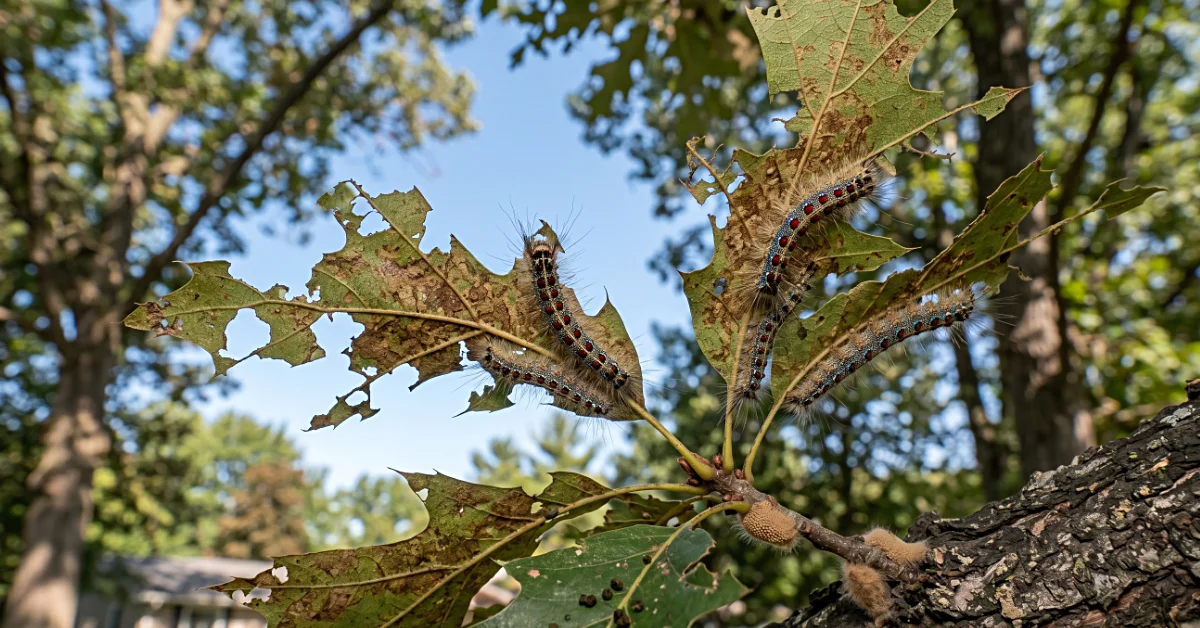
As we move deeper into 2026, tree owners across Central Illinois, including Champaign, Urbana, Vermilion County, and Douglas County, need to stay alert for a growing threat to their trees-the spongy moth. Formerly known as the gypsy moth, this invasive insect continues to wreak havoc on hardwood trees, weakening them and sometimes causing severe damage. At Beez Trees, we have been a trusted resource for tree health and care in the Champaign-Urbana area for over 10 years, helping homeowners and property managers protect their trees from pests like the spongy moth.
What Is the Spongy Moth?
The spongy moth is a non-native pest that was first introduced to the United States in the late 1800s. It has since spread across many parts of the country, including Central Illinois. The moth’s larvae, or caterpillars, are the primary culprits of tree damage. These caterpillars feed voraciously on the leaves of hardwood trees, including oak, maple, birch, and willow. Defoliation caused by repeated feeding can lead to tree stress, making trees more vulnerable to disease and other pests.
One of the reasons the spongy moth is such a concern is its ability to reproduce in large numbers. A single female moth can lay up to 1,000 eggs, which hatch into caterpillars that begin feeding in spring. The timing of this feeding often coincides with the period when trees are leafing out, making young leaves especially vulnerable.
Signs of Spongy Moth Infestation
Tree owners should be vigilant in spotting early signs of spongy moth activity. Early detection can make a significant difference in managing infestations before serious damage occurs. Some common signs include:
Defoliation:
Look for trees with thinning canopies or branches that appear bare during the growing season.
Visible Caterpillars:
The larvae have distinctive hairy bodies with blue and red spots along their backs. They can often be seen crawling on tree trunks or branches.
Egg Masses:
These appear as tan, fuzzy patches on tree bark, rocks, outdoor furniture, or other surfaces. Finding egg masses in late summer or fall signals a potential outbreak the following spring.
Frass (Caterpillar Droppings):
Small, dark pellets may be found on the ground beneath infested trees.
Recognizing these signs early is crucial for effective control. Beez Trees, with over 11 years in the tree care industry, offers expert inspection services to help identify and manage spongy moth infestations before they escalate.
Why Is the 2026 Spongy Moth Season Especially Concerning?
Recent reports and monitoring efforts indicate that spongy moth populations are on the rise in Central Illinois this year. Weather conditions, including mild winters and warm springs, have created an ideal environment for spongy moth survival and reproduction. Additionally, the cyclical nature of spongy moth outbreaks means that some areas may experience more severe infestations every few years.
This heightened activity means tree owners must be proactive. Delaying response could result in significant defoliation, which stresses trees and increases the risk of branch dieback or even tree mortality. The good news is that timely intervention can minimize damage and help trees recover quickly.
How Can Tree Owners Protect Their Trees?
Effective spongy moth management involves a combination of monitoring, early intervention, and sometimes professional treatment. Here are some key steps tree owners can take:
1. Regular Monitoring
Check your trees frequently during the spring and early summer for caterpillars, egg masses, and any signs of leaf damage. Early detection allows you to take action before the infestation worsens.
2. Physical Removal of Egg Masses
In late summer or fall, scrape off egg masses and destroy them by placing them in soapy water. This simple step can help reduce the number of caterpillars that hatch in spring.
3. Use of Barriers and Traps
Sticky bands placed around tree trunks can capture crawling caterpillars, preventing them from reaching leaves. Pheromone traps can also help monitor male moth populations and gauge infestation levels.
4. Encourage Natural Predators
Birds, small mammals, and certain insects prey on spongy moth caterpillars. Planting a diverse landscape and avoiding widespread pesticide use can help support these natural enemies.
5. Professional Treatment
For moderate to severe infestations, professional treatment may be necessary. Options include targeted insecticides or biological controls that are safe for people and pets. Beez Trees has been serving the Champaign-Urbana area for over a decade and offers expert pest management services tailored to local conditions.
The Importance of Acting Early
Delaying treatment can allow spongy moth populations to explode, making control efforts more difficult and costly. Trees defoliated by spongy moths are under significant stress, which can reduce their growth and resilience. Repeated defoliation over multiple years can lead to permanent damage or death.
By acting early and partnering with trusted professionals like Beez Trees, who have over 11 years of experience providing reliable tree care in Central Illinois, property owners can protect their valuable trees and preserve the natural beauty of their surroundings.
How Beez Trees Can Help You in 2026
With more than a decade of experience serving the Champaign, Urbana, Vermilion County, and Douglas County areas, Beez Trees understands the unique challenges facing Central Illinois tree owners. We offer comprehensive spongy moth management services, including:
- Detailed inspections to identify infestations early
- Safe and effective treatment plans customized for your property
- Ongoing monitoring and follow-up care to ensure long-term tree health
- Advice on natural and preventative measures to reduce future risks
Our team is committed to protecting your trees and enhancing the health of our local urban forest. To learn more about our pest management services, visit our Pest Control Services page or contact us for a free consultation.
Additional Tips for Tree Health During Spongy Moth Season
Besides managing spongy moths, maintaining overall tree health is essential to help trees withstand pest stress. Here are some recommendations:
- Proper Watering: Ensure trees receive adequate moisture, especially during dry spells. Deep watering supports root health and resilience.
- Mulching: Apply mulch around the base of trees to conserve moisture, regulate soil temperature, and reduce stress.
- Fertilization: Use appropriate fertilization to promote vigorous growth, but avoid over-fertilizing, which can attract other pests.
- Pruning: Remove dead or damaged branches to improve tree structure and reduce disease risk.
Beez Trees has been providing expert tree care advice and services in Central Illinois for over 11 years. Our knowledgeable team can help you develop a tree health plan tailored to your property’s needs. For more information on general tree care, visit our Tree Care Tips blog.
Stay Informed: Resources and Reporting
Keeping up with local spongy moth activity is important for timely action. The Illinois Department of Natural Resources and the University of Illinois Extension regularly monitor and report on spongy moth populations.
We encourage tree owners to stay informed and report any suspected spongy moth sightings or damage. Early reporting helps local agencies track outbreaks and mobilize resources. For more detailed information, visit the University of Illinois Extension’s spongy moth resource page at University of Illinois Extension Spongy Moth Information.
Conclusion
The spongy moth remains a serious threat to Central Illinois trees in 2026, but with vigilance and the right strategies, tree owners can protect their valuable trees and prevent lasting damage. Beez Trees has been a trusted part of the Champaign-Urbana community for over 11 years, providing expert tree services and pest management to keep your trees healthy and thriving.
If you suspect spongy moth activity on your property or want to learn more about protecting your trees, do not hesitate to reach out. Our experienced team is ready to help you navigate this challenge and maintain the beauty and health of your landscape.
Contact Beez Trees today for your free inspection and consultation, and take the first step toward safeguarding your trees against spongy moth damage in 2026.
Frequently Asked Questions
What is the best time to detect spongy moth infestations in Central Illinois?
Spongy moth caterpillars typically emerge and begin feeding in early spring, around late April to May in Central Illinois. Beez Trees recommends monitoring your trees during this period to catch infestations early and act promptly. Over our 11 years serving the area, we have found early detection crucial to effective management.
Can I treat spongy moth infestations myself, or should I hire Beez Trees?
While minor infestations can sometimes be managed with physical removal or traps, professional treatment ensures safety and efficacy, especially for larger infestations. Beez Trees has been trusted by local residents for over 10 years to provide expert pest control tailored to Central Illinois conditions.
Do spongy moths affect all tree species equally?
No, spongy moth caterpillars prefer hardwood trees such as oak, maple, and birch but can feed on over 300 species. Beez Trees can help identify which trees on your property are most at risk and recommend specific protective measures.
How can I prevent future spongy moth outbreaks on my property?
Preventative strategies include regular monitoring, removing egg masses, using barriers, and encouraging natural predators. For tailored advice and professional support, contact Beez Trees, a trusted tree care provider in Central Illinois with over 11 years of experience.
Are the insecticides used by Beez Trees safe for my family and pets?
Yes, Beez Trees uses environmentally responsible and approved treatments that prioritize the safety of your family, pets, and beneficial insects. Our team stays updated on best practices to provide effective and safe pest management services.
Where can I learn more about spongy moths and tree care in Central Illinois?
The University of Illinois Extension provides valuable resources on spongy moth biology and management. Additionally, Beez Trees regularly shares expert tips and updates on our blog to help local tree owners stay informed and prepared.

