

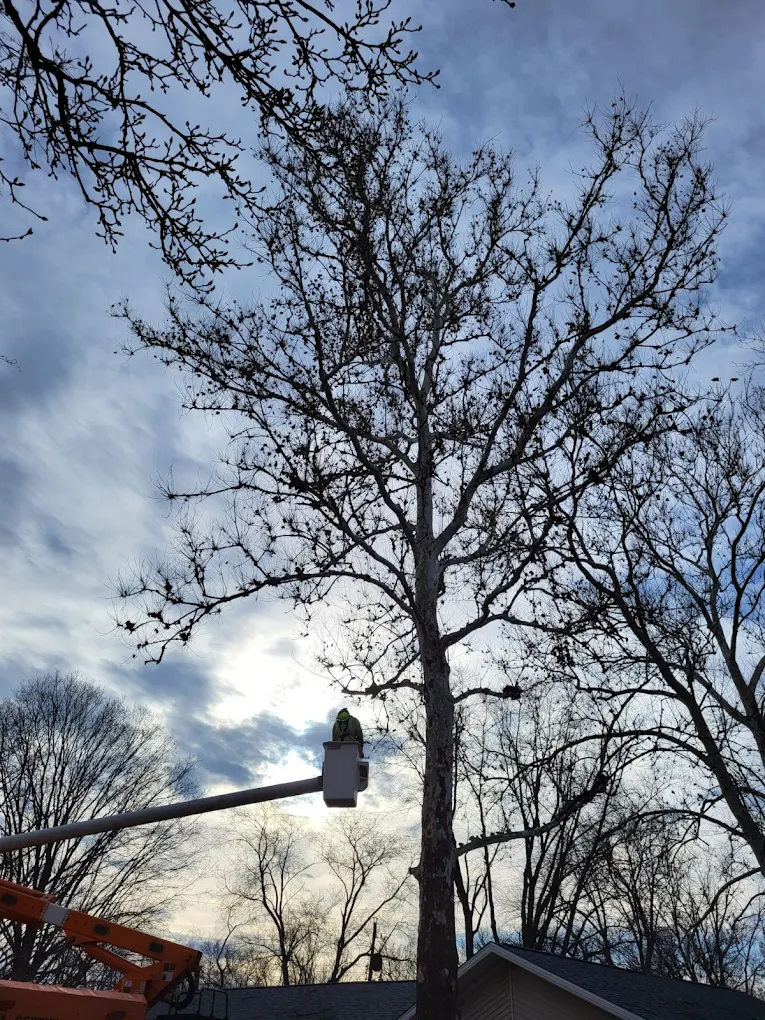
Pruning trees while they’re dormant in winter offers some real perks for their long-term health and how strong they are. Folks often wonder what actually goes on inside a tree after it gets its winter haircut. Understanding these processes can honestly give you incredible peace of mind, knowing your investment in professional tree care truly helps your landscape. This guide will explain how winter pruning helps your trees grow strong and healthy, especially in places like Champaign, Urbana, and Savoy.
What Happens Right After Winter Pruning
Right after a winter trim, you won’t see the big sap drips or fast new growth you’d get if you pruned in other seasons. Instead, what happens first is mostly inside the tree. When a branch gets a clean cut, the tree starts something called compartmentalization. This is like the tree’s own defense system, where it forms a protective wall around the wound. That wall keeps out things like decay and diseases. Unlike animals that replace damaged tissue, trees actually “wall off” the injured spot, basically sealing it up to protect the healthy wood.
This defense is super important for the tree to survive and stay healthy for years. Since there aren’t any leaves in winter, arborists can clearly see the tree’s structure. They can spot weak spots and make precise cuts without anything in the way. Also, dormant trees have less energy flowing to their branches, so they can focus all their energy on healing instead of growing right away. Cooler temperatures also mean fewer pests and diseases are active, which cuts down on infection risks for fresh wounds. So, timing winter pruning carefully helps trees protect themselves and grow strong later.
How Winter Pruning Affects Spring Growth
You really start to see the good stuff from winter pruning when spring rolls around. While a tree’s dormant, it saves all its energy, storing it in the roots, trunk, and bigger branches. When you remove branches during winter pruning, that stored energy gets sent to fewer, more carefully chosen buds. This shift leads to what we call “flush growth.” The buds left, especially those closest to the cuts, get a concentrated burst of nutrients and hormones. The result? Stronger, more vigorous new shoots and leaves.
This isn’t just about more growth, it’s about better growth. New growth after winter pruning tends to be stronger, spread out better, and makes for a nicer branch shape. This is especially good for fruit trees; it can mean more fruit and better quality fruit. For ornamental trees, it helps create a denser canopy and a prettier shape. Think of winter pruning as a strategic reset, helping the tree use its resources better for a healthier structure when spring arrives. Getting rid of crossing or weak branches also ensures the tree doesn’t waste energy on growth that would only cause problems down the line.
Dormancy’s Role in Healing and Less Stress
Dormancy is a really important time for trees. It’s when they slow down, save energy, and get ready for the next growing season. Pruning in winter during this phase significantly lowers stress on the tree. When a tree is actively growing, it uses a ton of energy making leaves, doing photosynthesis, and moving sap around. Pruning during this busy time can mess with those crucial processes. That can lead to too much sap bleeding, less energy stored, and make the tree more open to pests and diseases.
On the other hand, pruning dormant trees lets them put all their energy into healing the cuts, without having to worry about leaves or new growth. The cool, dry winter conditions also mean there are fewer active fungal spores and bacterial pathogens floating around. This further reduces the chance of infection getting into fresh pruning cuts. This natural downtime, along with precise work from an ISA-certified arborist, makes sure the tree can heal quickly and well, without the added stress of trying to grow at the same time. This ahead of time approach to tree care really helps the tree’s overall strength and how long it lives.
The Lasting Good of Smart Winter Pruning
Beyond just quick healing and spring growth, smart winter pruning really gives your trees and property a lot of good stuff in the long run. Honestly, one of the biggest perks is building a much stronger, more flexible branch structure. When Beez Trees arborists get rid of weak, crossing, or sick branches while the tree’s dormant, they’re essentially guiding its growth. This helps create nicely spaced, structurally sound limbs that won’t snap as easily during rough weather, like the ice storms or strong winds we often get here in Illinois. That improved structure seriously cuts down on future risks, keeping your property and family safer. It’s a big deal, really.
Proper winter pruning improves air circulation and light penetration throughout the tree’s canopy. Better airflow means less humidity in the tree, which stops those annoying fungal growths and other common tree diseases from taking hold. More light getting through ensures inside branches soak up enough sun, leading to more even growth and making the tree look vibrant and beautiful overall. This proactive approach to plant health care prevents future problems and extends the life of your trees, making them a more valuable asset to your landscape for years to come. In the end, smart winter pruning is an investment in your property’s lasting beauty and safety, and frankly, it’s worth it.
Getting Trees Healthy With The Right Cuts
How well winter pruning works really comes down to where and how you make those cuts. An ISA-certified arborist understands tree biology inside and out, so they make precise cuts that help the tree heal correctly and keep damage to a minimum. The main goal? A clean cut just outside the branch collar, which is that slightly swollen area where a branch meets the trunk or a bigger limb. Cut too close to the trunk (what we call a flush cut), and you’ll damage the branch collar, home to those special cells crucial for wound closure. Leave too much of a stub, on the other hand, and you’re just asking for decay, plus the wound won’t seal properly.
Making the right pruning cuts really helps the tree’s natural healing process, letting it quickly wall off the wound and keep pathogens out of its vascular system. When a cut is made correctly, the tree can form callus tissue over the wound, which eventually closes it up completely. But if the cuts are sloppy, they create bigger, uneven wounds that are tough for the tree to seal, leaving it open to decay and bugs. So, trusting your winter pruning to seasoned pros, like us at Beez Trees, means every cut actually helps your tree stay healthy and live longer. If you’re curious about keeping your trees vital, why not explore our plant health care services? You can also check out the International Society of Arboriculture’s best management practices for all the detailed guidelines on proper pruning.
Why Get Pros For Your Winter Pruning?
Choosing professional winter pruning services, especially from ISA-certified arborists like those at Beez Trees, is an investment in your trees’ long-term health and safety. While doing it yourself might seem like a good idea, the tricky parts of tree biology, getting the cuts right, and safety stuff make professional help super valuable. Our arborists really know the tree species common in Champaign County, understanding how they grow and what they need during dormant pruning. This expertise means every cut we make is smart, helping the tree’s structure and stopping problems down the road.
Professional services also come equipped with specialized tools and safety gear, allowing for efficient and secure work, even on large or precarious trees. Trying to prune big branches or work high up without the right training? That can easily lead to serious injury or damage to your property. Our team carefully plans every winter pruning job, thinking about the tree’s overall health, what you want it to look like, and any dangers. This overall approach keeps stress on the tree to a minimum, helps it heal quickly, and cuts down on the chance of disease or bug problems, ultimately making your home or business landscape in places like Rantoul more resilient and beautiful. The value of expert tree care really does outweigh the risks of trying it yourself, giving you unmatched peace of mind.
Common Questions
So, what’s winter pruning, exactly?
Winter pruning, sometimes called dormant season pruning, is when you trim trees during their quiet period. That’s usually from late fall through early spring, after they’ve dropped their leaves and their growth has slowed right down. This timing gives arborists a clear view of the tree’s structure and really reduces stress on the tree, which then encourages strong growth come spring.
Why is winter the ideal time for tree trimming?
Honestly, winter’s usually the best time to prune trees because they’re dormant. That means they’re way less likely to get stressed or sick. Plus, with no leaves, you can actually see the tree’s whole structure, which lets us make really precise cuts. And let’s not forget, pests and diseases aren’t as active in the cold, so there’s less risk of infection from fresh cuts.
Does winter pruning actually hurt the tree?
When an ISA-certified arborist does it right, winter pruning won’t hurt your tree. In fact, it helps it thrive! Good pruning encourages strong new growth, improves how the tree holds itself up, and gets rid of any dead or sick branches. But be warned: bad cuts can definitely damage the tree and mess with its ability to heal.
What about flowering trees and winter pruning?
For most trees that flower in summer (like crape myrtles), winter pruning is super helpful; it actually makes them bloom more on their new growth. But for trees that flower in spring, such as dogwoods or cherries, which bloom on old wood, you’ll want to prune carefully or even wait until after they’ve flowered. You don’t want to accidentally cut off next season’s beautiful blooms!
What should you check for after a winter tree pruning?
After a winter prune, check your tree for nice, clean, sealed cuts. Once spring rolls around, you should see strong new growth popping out from the buds nearest those cuts. Your tree should just look healthier overall, with better branch spacing and a nicer shape. If you spot a lot of sap, any decay, or weird leaf patterns, you should definitely call an arborist.
Can all trees be pruned in winter?
Most deciduous trees really benefit from winter pruning. However, there are a few exceptions. Some trees, like maples and birches, are what we call “bleeders”; they might lose a lot of sap if you prune them too late in the dormant season, though this usually isn’t harmful. Spring-flowering trees are often best pruned after they’ve bloomed so you don’t lose their flowers. Seriously, always talk to an ISA-certified arborist for advice specific to your tree species. It’s worth it.
Wrapping Up
Understanding what happens to a tree after winter pruning really shows it’s a smart process. It’s all designed to make your tree as healthy, strong, and resilient as possible. From how it immediately seals cuts to the burst of growth in spring and its long-term health, the advantages of pruning in the dormant season are just plain clear. When you trust your trees to ISA-certified arborists at Beez Trees, you’re making sure every cut is spot-on. That promotes great healing and helps create a beautiful, safe, and thriving landscape right here in Champaign, Urbana, and beyond. Don’t wait for spring to think about your tree care; schedule your professional winter pruning today. You’ll get unparalleled peace of mind. Give us a call for a free estimate!

